
SMEs in the Digital Era: Opportunities and Risks, Why Financial Literacy Matters

Amid the rapid growth of the digital economy, micro and small enterprises (SMEs) now have greater opportunities to grow. Access to financing is becoming more accessible, marketing channels are expanding, and digital platforms are simplifying day-to-day business operations.
However, alongside these opportunities, new risks are emerging, one of the most pressing being the rise of illegal lending practices targeting SME owners, particularly women running micro businesses.
Limited financial literacy and lack of understanding of digital financial services make many business owners vulnerable to harmful lending schemes. In many cases, this leads to financial distress caused by high interest rates, unethical collection practices, and risks related to personal data misuse.
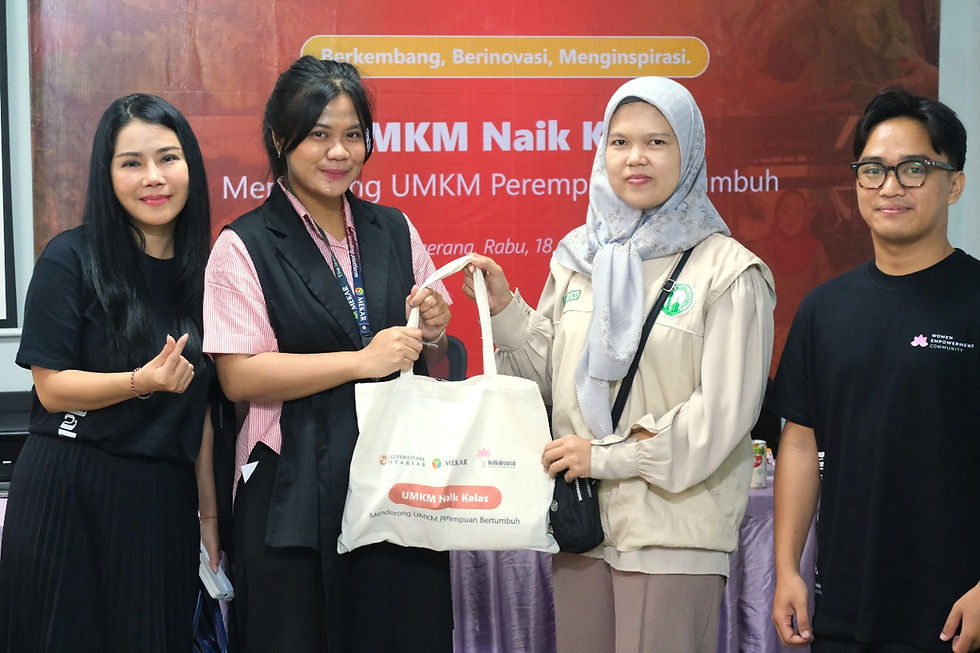
Recognizing this challenge, education becomes a critical solution. PT Mekar Investama Teknologi (MEKAR), in collaboration with AKR Syariah Cooperative and Yayasan Trilaksmi, introduced a financial literacy program aimed at not only improving access to financing but also raising awareness of financial risks in the digital era.
Through this initiative, participants, especially women entrepreneurs are equipped with knowledge on identifying safe financial services, managing business finances, and avoiding illegal lending practices.
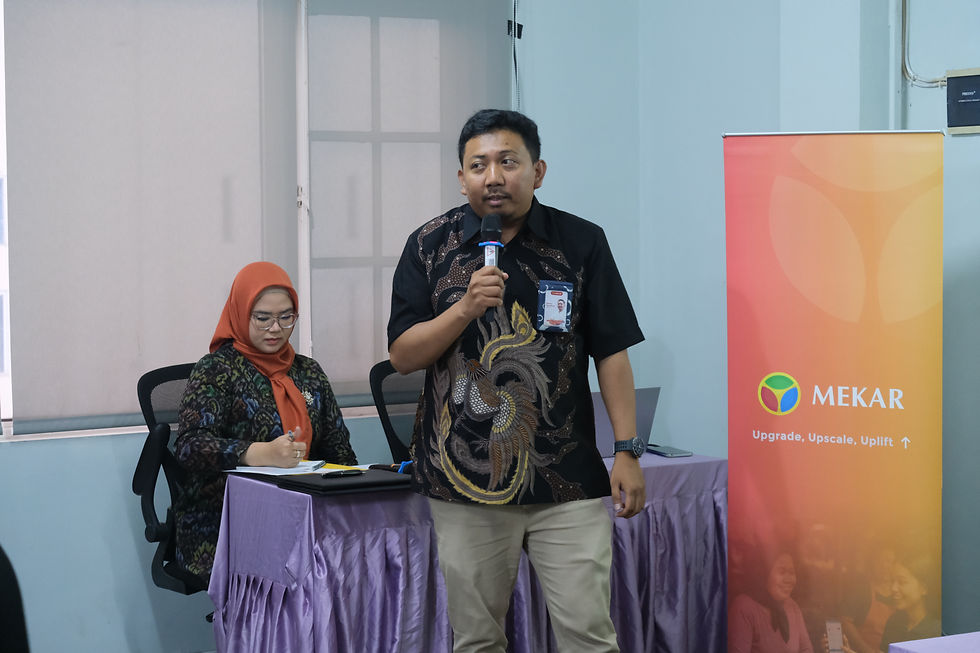
According to Randy Ramdhan, Project Manager at MEKAR, financial inclusion must go beyond access.
“Access to financing must be accompanied by proper understanding. Without sufficient literacy, business owners are at risk of falling into harmful practices. That is why education is a key component in building a healthy financial ecosystem,” he explained.
The program also highlights the important role of women as key drivers of household economies, emphasizing the need to support them not only financially but also through knowledge and confidence in managing their businesses.
With stronger financial literacy, SMEs are expected to make better decisions, manage risks effectively, and maximize digital opportunities.
Moving forward, collaboration between private sector players, cooperatives, and community organizations will be essential in building an ecosystem that is not only inclusive but also safe and sustainable for SMEs in Indonesia.


